6 Signs You Need Professional Tree Removal in Crofton, MD
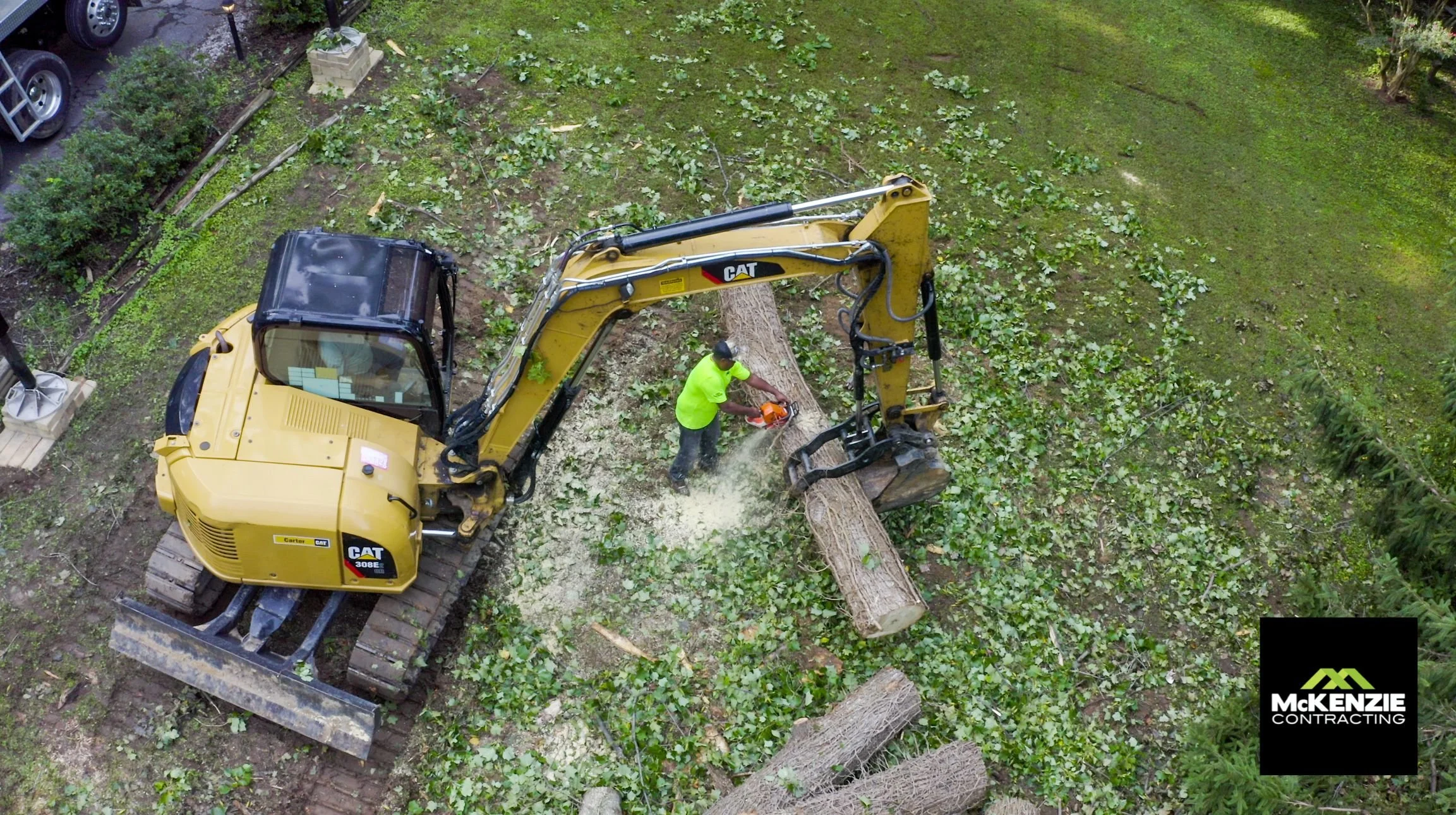
When homeowners start asking us about tree removal in Crofton, MD, it is usually because something feels off with a mature tree that once blended seamlessly into the landscape. Trees add structure, shade, and continuity to outdoor spaces, but they can also change over time. As landscape designers, we pay close attention to how trees interact with plantings, walkways, and nearby structures. Certain warning signs tell us that tree removal becomes the most responsible next step for the health and long-term stability of the landscape.
The Tree Shows Significant Leaning or Shifting
One of the most common reasons we recommend tree removal involves a noticeable lean that was not present before. Trees naturally grow with some variation, but a sudden or worsening tilt often indicates compromised root structure beneath the surface. In our area, heavy rain and soil movement can weaken anchoring roots, causing the tree to shift toward walkways, driveways, or nearby structures.
When we evaluate a leaning tree, we consider how it affects surrounding plantings and whether its position disrupts the balance of the landscape design. Tree removal becomes the best option when the tree no longer holds itself upright in a stable way and begins to encroach on areas designed for circulation and visibility.
Large Sections of the Canopy Are Bare or Declining
A thinning canopy or widespread branch dieback signals deeper problems within the tree. When we see extensive areas without leaves during the growing season, we know the tree struggles to support its own structure. This level of decline often spreads quickly and affects how the tree fits into the overall landscape.
Tree removal makes sense when a declining canopy starts to cast uneven shade over planting beds or interferes with other established trees. Our goal as landscape designers involves maintaining cohesion, and a failing tree disrupts that balance visually and structurally.
Roots Are Lifting Walkways or Hard Surface Features
Roots that push up walkways, patios built with pavers, or areas edged with natural stone create functional and visual issues throughout the property. As trees mature, their root systems expand, sometimes well beyond the canopy line. When roots begin to surface, they compete with nearby plantings and distort carefully planned elevations.
We often recommend tree removal when root growth compromises walkways or alters drainage patterns across the landscape. Removing the tree allows us to regrade the area properly and restore clean lines between plantings and hard surface features.
The Trunk Shows Cracks, Cavities, or Extensive Damage
Visible damage along the trunk raises immediate concerns during a site visit. Deep vertical cracks, hollow sections, or areas where bark has fallen away point to internal decay. Even when a tree still produces leaves, structural damage along the trunk weakens its ability to remain stable during storms.
Tree removal becomes the most responsible choice when trunk damage threatens nearby structures or disrupts the intended flow of the landscape. We look at how the tree anchors the space and whether it still serves a purpose within the design.
Repeated Limb Failure Affects the Landscape Below
When large limbs drop repeatedly, the issue goes beyond seasonal shedding. Frequent limb failure alters how outdoor spaces function and affects plantings beneath the canopy. Shrubs and perennials often suffer when heavy branches fall, leaving gaps in planting beds that once felt complete.
Tree removal addresses the root of the problem rather than reacting to repeated damage. By removing the tree, we can reestablish layered plantings and restore the rhythm of the landscape without ongoing disruption.
The Tree No Longer Fits the Landscape Plan
As landscapes evolve, certain trees outgrow their original role. What once provided scale and shade may now crowd newer plantings, block intentional sightlines, or overpower adjacent features. We see this often in established properties where the landscape design has matured over decades.
Tree removal allows us to reset proportions and introduce new plantings better suited to the space. From a design perspective, removing an oversized or poorly placed tree opens opportunities to reframe outdoor living areas and enhance how the landscape functions as a whole.