How a Fire Pit Becomes the Gathering Point That Keeps the Backyard in Use Past October
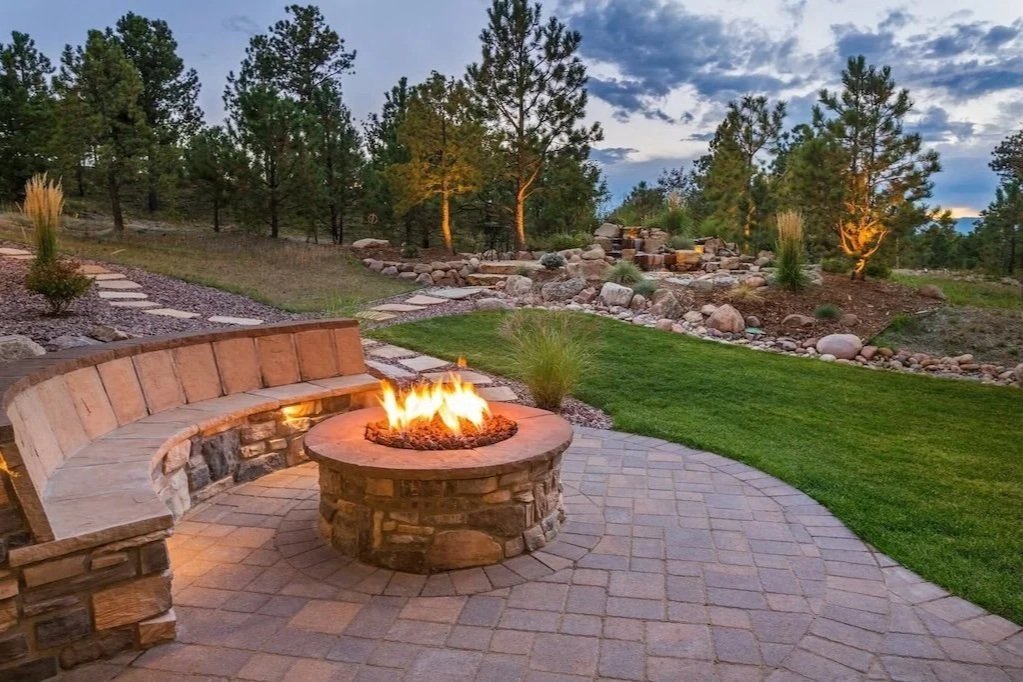
The patio empties when the temperature drops. The outdoor kitchen goes quiet after Labor Day. The furniture gets stacked. And the backyard, the one that was the center of everything from May through August, goes dormant for the next seven months.
A fire pit changes that timeline. It extends the outdoor season into the months that the rest of the backyard gives up on. It pulls people outside on a cool October Friday. It makes Thanksgiving weekend an outdoor event. And it anchors the gathering space with warmth, light, and the kind of atmosphere that no other feature delivers.
In Southern Maryland, where the fall is long, the winters are mild enough for outdoor use on clear evenings, and the fire season runs from September well into spring, a fire pit is the feature that keeps the investment in the outdoor space producing returns after the summer crowd goes inside.
Related: Patio Trends 2025: Landscape Design Ideas for Owings, MD, Residents
What the Build Requires
A fire pit is a permanent installation. It involves combustion, code compliance, and structural considerations that a movable fire bowl does not.
A properly built fire pit needs:
A noncombustible base of compacted aggregate or concrete beneath the fire bowl or the fire ring, sized to extend beyond the outer edge of the pit to protect the surrounding surface
A fire rated liner or insert if the pit is built from natural stone or block, to contain the heat and protect the surrounding masonry from thermal cracking
A gas line connection if the pit is gas fueled, installed by a licensed professional to code, with a shutoff valve accessible from the seating area
Placement that satisfies local setback requirements from structures, property lines, fences, and overhead vegetation, which in most Southern Maryland jurisdictions specify a minimum distance of 10 to 25 feet depending on the fire type
Drainage around the pit area so that water does not pool in the fire bowl after rain and does not direct runoff toward adjacent seating surfaces or planting beds
Wood burning and gas fired pits each carry different code requirements, different maintenance profiles, and different experiences. Wood delivers the crackle, the smell, and the unpredictability. Gas delivers instant on/off convenience and a cleaner burn with no ash cleanup. The choice is personal, but the build needs to satisfy the code regardless.
Related: Why Landscape Design in Southern Maryland Starts With the Land, Not the Look
How the Fire Pit Works Within the Outdoor Living Space
A fire pit that sits alone in the middle of the yard is a fire pit. A fire pit surrounded by a seating wall at conversational distance, connected to the patio by a walkway, visible from the outdoor kitchen, and lit by the surrounding landscape lighting is the centerpiece of an outdoor living space.
The seating around the fire should accommodate the group size the homeowner typically hosts. The distance from the fire to the seating should allow warmth without discomfort. And the orientation should position the prevailing wind at the homeowner's back so the smoke drifts away from the gathering, not through it.
The Season That Does Not End
The fire pit is the reason the outdoor season extends past the point where every other feature stops contributing. The patio is cold. The kitchen is closed. But the fire is lit, the chairs are pulled close, and the evening continues. If your backyard in Owings or the surrounding area loses the family's attention after summer, the fire pit is usually what brings it back.
Related: Patio Spaces That Make Evenings More Enjoyable in Owings, MD